Artificial intelligence in rural areas: the point is interpreting the data, not holding it
Artificial intelligence in rural areas is no longer a concept for the future: it is a tool already working its way into the daily business of fertilisation, irrigation and pest control, and it comes with one idea worth underlining before any other. What matters is not the data. It is how the data is read.
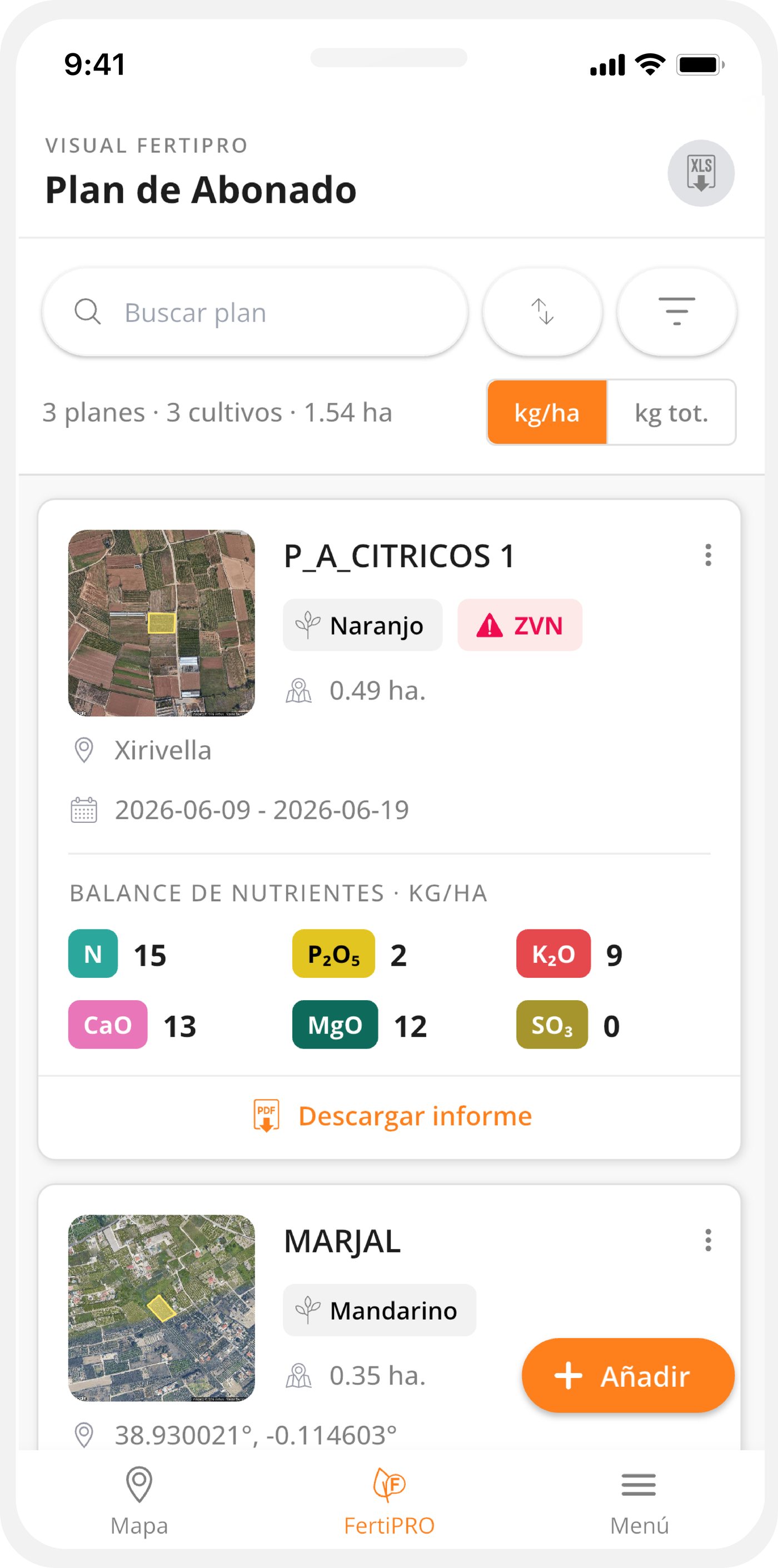
Data, yes — but interpreted: the difference that shows in the result
The central argument is easy to state and hard to apply well: any farm can accumulate data — from sensors, from satellites, from field notebooks — but accumulating data is not the same as making better decisions with it. Artificial intelligence delivers real value when it turns that volume of information into a concrete recommendation about when to fertilise, how much to irrigate or when to intervene against a pest. It delivers nothing when it merely adds one more dashboard that nobody gets round to looking at.
Fertilisation, irrigation and pests: the three fronts where it already shows
There are three very specific fronts where that interpretation is already producing measurable results: fertilisation, matching doses to what the crop needs at each stage instead of applying generic plans; irrigation, cross-referencing soil and climate data to decide when and how much to water; and pest control, anticipating the moment to intervene before the damage is visible to the naked eye. The pattern is the same in all three cases: the technology does not replace the judgement of the agronomist or the grower, it feeds that judgement with better information at the moment it is needed.
Why rural areas are a demanding testing ground for any agricultural AI
Rural areas have one characteristic that is rarely discussed: variability is the rule, not the exception. Two neighbouring plots can have completely different soils, microclimates and management histories, which strips most of the value out of any generic recommendation the moment it is applied outside the exact context it was designed for. An artificial intelligence that works well in a rural setting is, almost by definition, one that has learned to handle that variability rather than ignore it — and that is only achieved with each farm's own data, not with models trained on national or regional averages.
Why this is also a conversation about generational renewal
Treating rural AI as a purely productive matter falls short: it connects directly with the future of rural areas at large, with generational renewal and with keeping people living on the land. If the agrifood industry wants to attract young professionals, it needs to show that it offers intellectually interesting work, not only physical work. Normalising the idea that working in a rural area can mean analysing irrigation patterns with artificial intelligence, and not only operating machinery, is part of that same conversation.
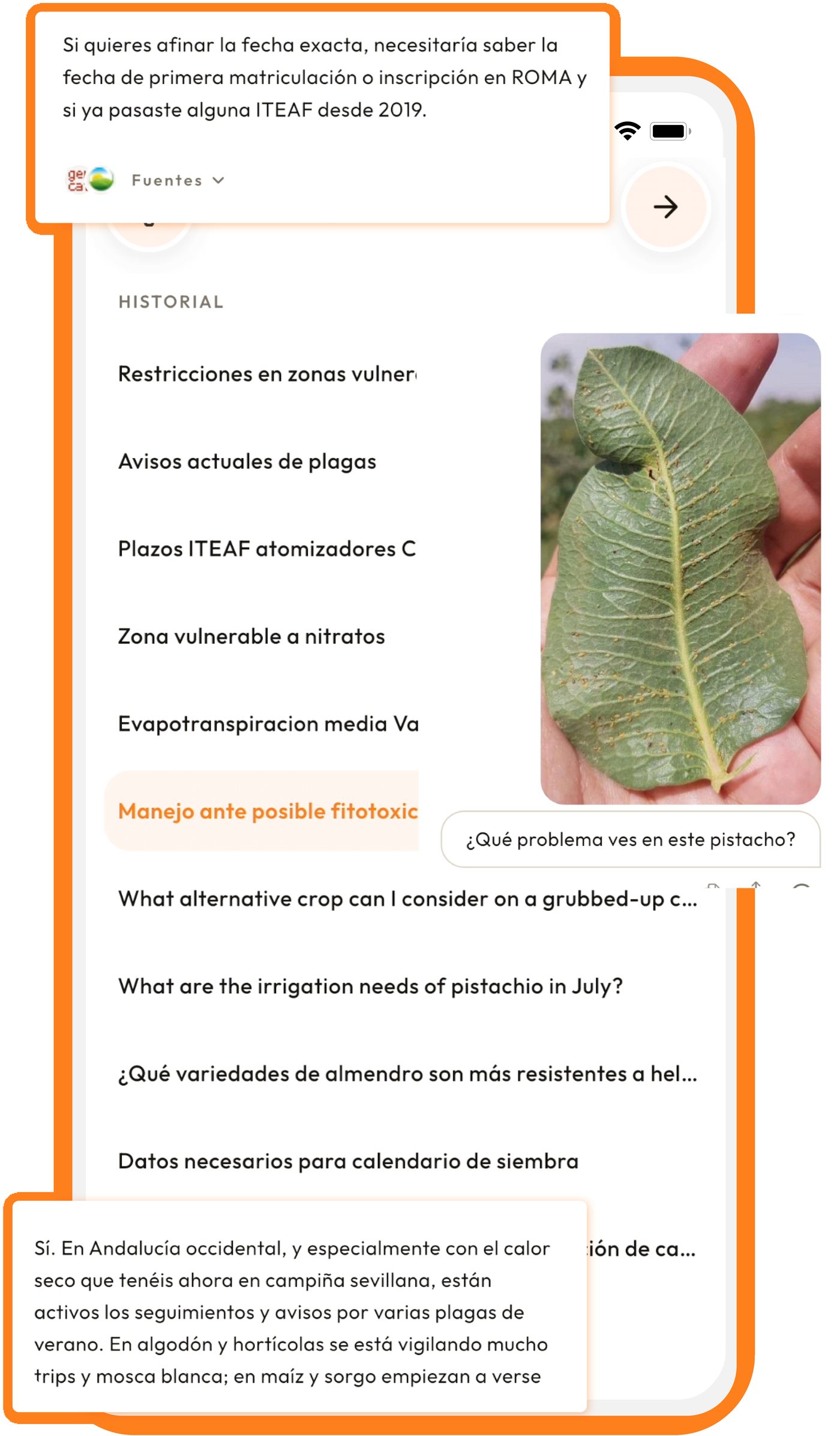
The challenge of explaining technology without losing touch
Explaining artificial intelligence without unnecessary jargon is harder than it looks, and yet it is what makes the difference to real adoption. Talking about fertilisation, irrigation and pests — problems anyone in a rural area recognises — before talking about models or algorithms is not oversimplifying. It is explaining which concrete decision the tool helps you make better, which is, in the end, the only thing that matters to someone running a farm.
Resistance to technology in rural areas is rarely resistance to change itself. It is resistance to unnecessary complexity. When a tool is explained in terms of fertilisation, irrigation or pests rather than data architecture, adoption stops being a barrier.
An issue that also speaks to generational renewal and depopulation
Treating rural AI as a purely productive matter falls short. Framing it within the future of rural areas at large, alongside subjects such as generational renewal or keeping people on the land, connects with something VisualNACert has argued from the outset: technology does not reach the countryside solely to produce more. It reaches it so that the countryside still has someone to work it, and to offer real reasons for a young person to choose to stay.
What an agronomist or a cooperative manager takes away from this
For anyone running a cooperative or advising farms, the practical message is concrete: before investing in more sensors or more platforms, it is worth asking whether the data already being collected is being interpreted and used at the right moment. Very often the information needed to decide better already exists on the farm; what is missing is the intermediate step that turns it into an applicable recommendation, and that is where artificial intelligence delivers the biggest leap in value.
What Enonatur is and why it shares a conversation with rural AI
The Enonatur project works on conserving native vine varieties and on their relationship with the rural landscape. At first glance it has little to do with artificial intelligence, but it shares the same underlying idea: the value of rural areas lies not only in producing more, it lies in conserving and making better use of what already exists — varieties, knowledge, territory — with the right tools for each case, whether genetic or digital.
For VisualNACert, seeing this message reflected in institutional publications confirms something we observe day to day with real clients, on farms and in cooperatives across Spain: resistance to technology in rural areas is rarely resistance to change itself, it is resistance to unnecessary complexity. When a tool is explained in terms of fertilisation, irrigation or pests rather than data architecture, the conversation with the client gets considerably shorter.
There is also a generational reading of all this that deserves underlining: if the agrifood industry wants to attract young professionals, it needs to show that it offers intellectually interesting work, not only physical work. Normalising the idea that working in a rural area can mean interpreting data with artificial intelligence, and not only operating machinery, is part of the same effort to position the industry as a genuine option for the future.
Sources
- Red PAC — Savia Rural no. 11, summer 2026 — full issue (in Spanish)
If you want to know how we apply AI to fertilisation, irrigation and pest control on real farms, let us talk.
Book a demo→