Generational renewal in farming: what Mercedes Iborra said on the KM ZERO podcast
Generational renewal in Spanish farming will not be solved with nostalgia, and that was the underlying idea of episode 54 of the KM ZERO podcast, published on 15 April: 40 minutes of conversation between Catalina Valencia Zuluaga and Mercedes Iborra Broseta, co-founder of VisualNACert, under a title that sums up everything we do rather well: "Technology and agriculture have to go hand in hand, they cannot be separated".
A background that is an argument, not an anecdote
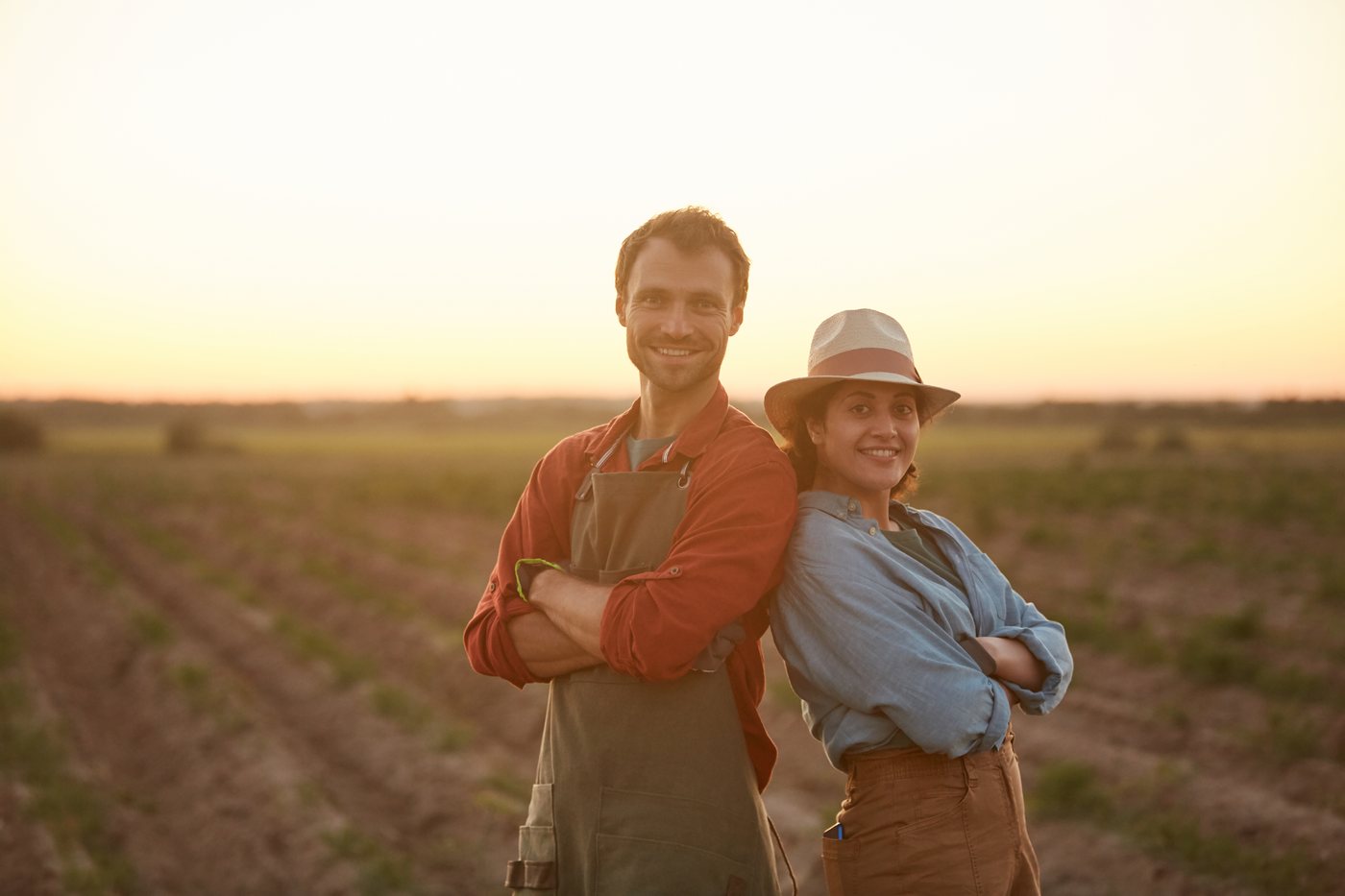
Mercedes Iborra is the third generation of a farming family. She tells it as an argument rather than as a piece of biography: anyone who has watched at close quarters the decisions taken on a farm — when to irrigate, when to treat, how much to risk in a season — understands something no technical specification sheet explains well, which is that technology only earns its place if it simplifies that decision rather than complicating it. On the podcast she added a piece of news connecting past and future: the family's fourth generation is already on the way.
From genomics to artificial intelligence: two ways of looking at the same problem
One of the most interesting stretches of the conversation is the one connecting AI and genomics. They are two disciplines usually treated separately, yet both pursue the same thing from different angles: understanding better what is going to happen in the field before it happens. Genomics works on the genetic potential of the plant or the tree; artificial intelligence works on the soil, climate and management data that determine whether that potential is ever expressed. When both perspectives are combined, the agronomic decision stops resting on accumulated experience alone and starts to lean on verifiable evidence as well.
Generational renewal is not solved with nostalgia
Mercedes was clear on a point we repeat often at VisualNACert: saying that farming needs generational renewal is not enough, you have to give a young person real reasons to choose this career. And those reasons are practical rather than sentimental: an industry taking on AI, automation and data offers professional roles — agronomic, technological, analytical — that did not exist a decade ago. "Agrifood is an industry with a future," Mercedes summed up in the post accompanying the episode. The line is short, and it condenses the thesis of the whole conversation.
Which professional roles this transformation opens up
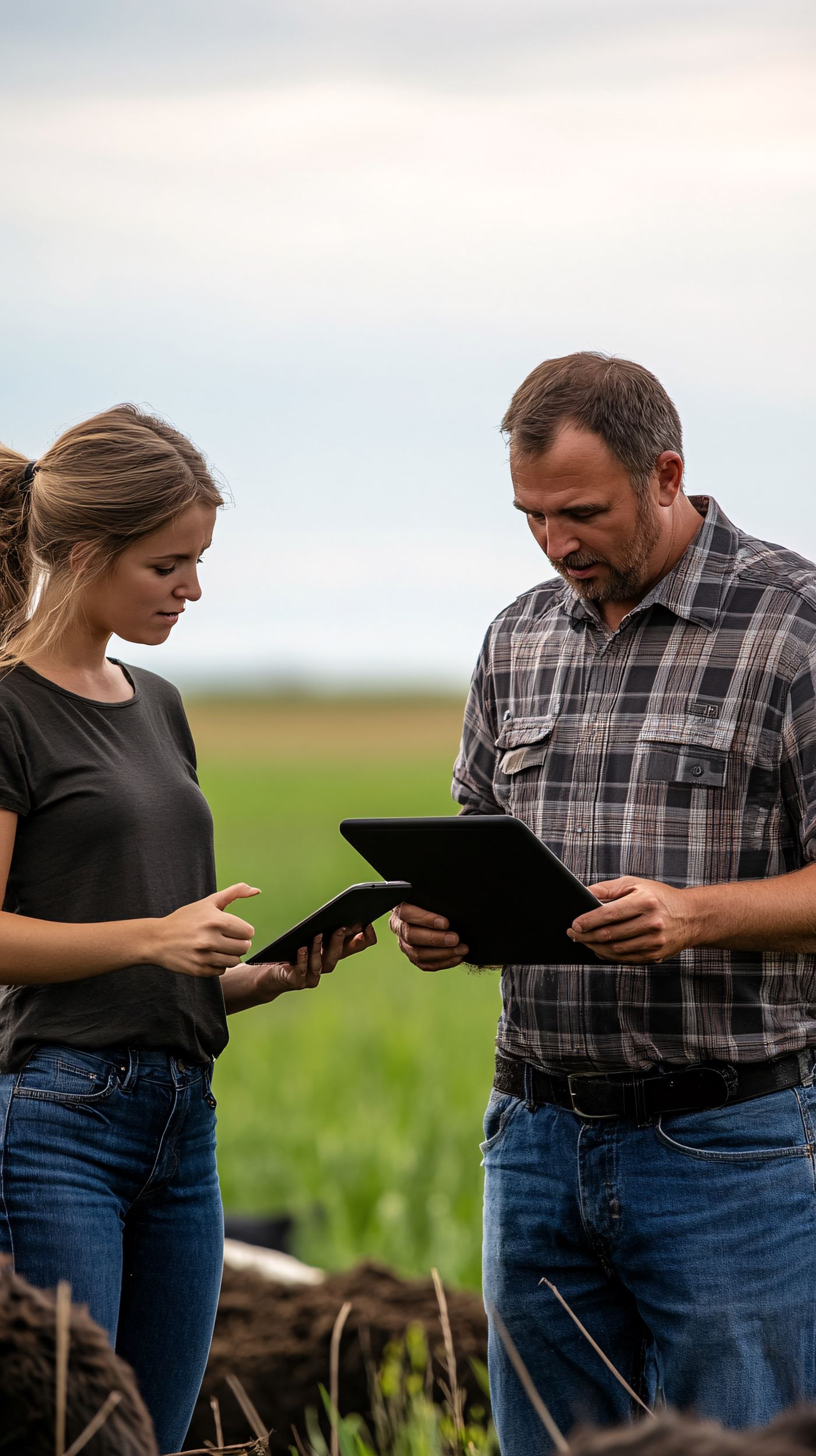
This has a very concrete translation that the podcast hinted at: a farm or an agrifood cooperative today may need, alongside the traditional agronomic profile, someone who can interpret sensor and satellite data, a technician who understands precision irrigation, or an analyst able to turn an AI model into a recommendation a grower can apply without prior technical training. These are roles combining field knowledge with technological knowledge, and until a few years ago they simply did not exist as a career path within the industry.
Why VisualNACert was born of this same tension
The very existence of VisualNACert answers the tension Mercedes Iborra describes on the podcast: a family that has worked the land for generations and decides, at a given moment, that technology is not a threat to that craft but a way of protecting it. AgroVRAIN, Sensor and FertiPRO were not conceived as products designed from an office remote from the field. They came out of understanding first-hand which piece of information is missing at the exact moment a decision has to be made. That is the difference Mercedes tends to point to between a generic technology tool and one designed by and for people who make their living from the land.
Why this message matters beyond VisualNACert
This reflection also lands at a particular moment for Mercedes Iborra: a few weeks earlier she had received KM ZERO's Food Changemaker 2026 award for her work applying AI to agriculture, and her career — alongside that of her sister Lucía — has been recognised by Forbes among the most creative voices in business. Three different forms of recognition, but a single thread: turning field knowledge inherited across three generations into something technology can scale without losing what makes it useful.
How to listen to the full conversation
The full episode is available on the KM ZERO Food Innovation Hub website and also on YouTube, running 40 minutes that are worth hearing end to end: it is not a summary of headlines, it is the kind of unhurried, detailed conversation in which it becomes easier to understand why Mercedes Iborra argues for technology applied to farming from inside the industry rather than from outside it.
There is also a communication point worth flagging: choosing a long podcast format of 40 minutes over a short post or a press headline allows for nuances that would otherwise be lost entirely. Mercedes Iborra does not reduce generational renewal to a motivational line, nor artificial intelligence to a promise of efficiency: she connects both ideas to concrete field decisions, which turns the conversation into a useful resource both for people already working in the industry and for those considering entering it.
And there is one last idea worth underlining: the podcast does not present generational renewal and artificial intelligence in agriculture as two parallel topics that happen to share an episode. It presents them as the same solution seen from two different and complementary angles. An industry offering genuine technology careers holds on to young talent better, and an industry with more young talent adopts the technology it already has available better. It is a circle that reinforces itself, and one Mercedes Iborra has been describing, in different words, since long before this episode — at every event and in every interview gathered in this same editorial calendar.
Sources
- KM ZERO Food Innovation Hub — Episode 54 — Mercedes Iborra (VisualNACert): "Technology and agriculture have to go hand in hand, they cannot be separated"
- YouTube — Full video of episode 54 of the KM ZERO podcast
- LinkedIn — visualNACert — Our own post with Mercedes Iborra's reflection on the episode
If you want to see how we apply that same criterion — field data turned into real decisions — discover what we do at VisualNACert, or write to us directly.
Book a demo→