Citrus Forum 2026: precision citrus growing sets the direction for the industry
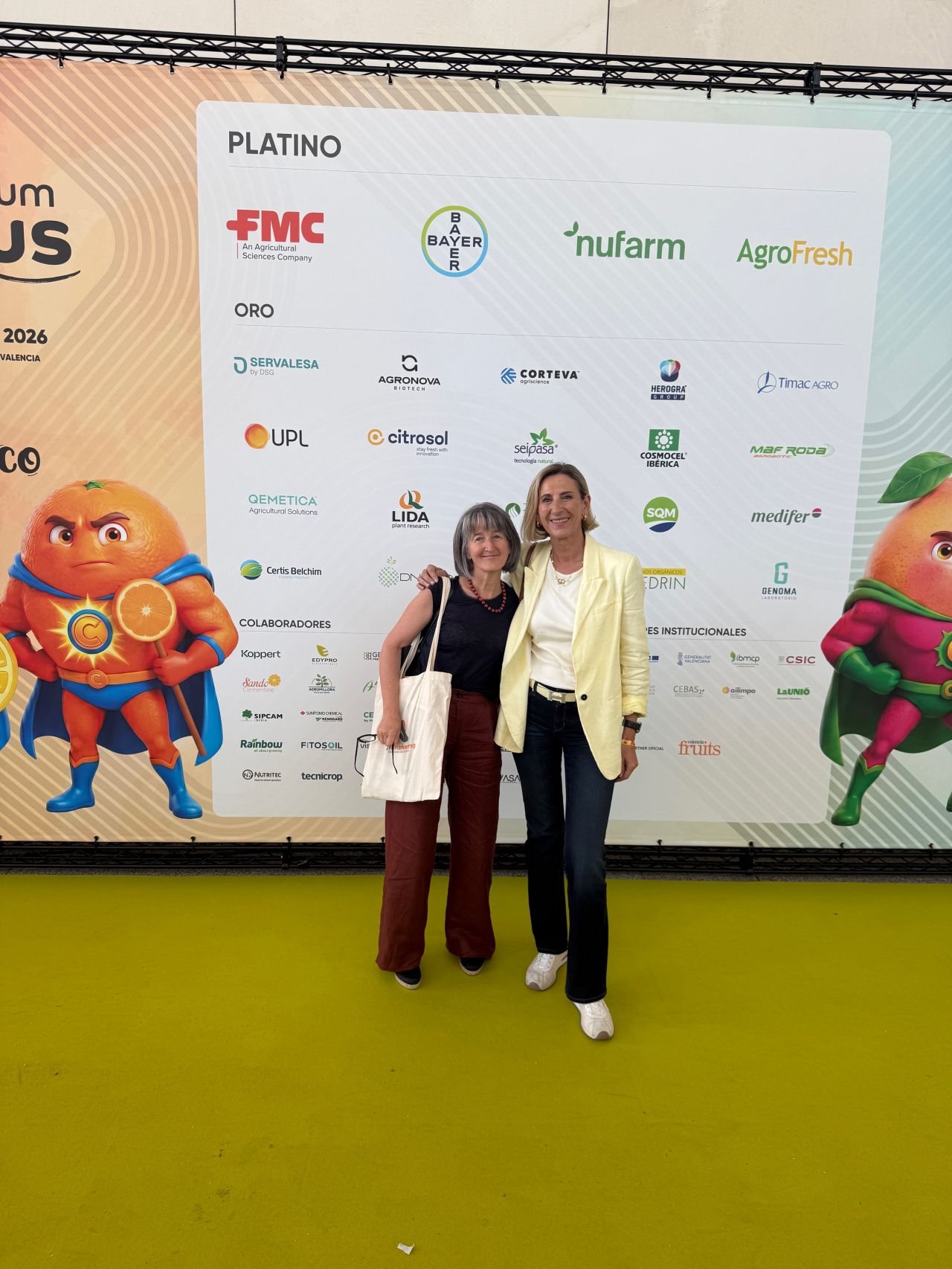
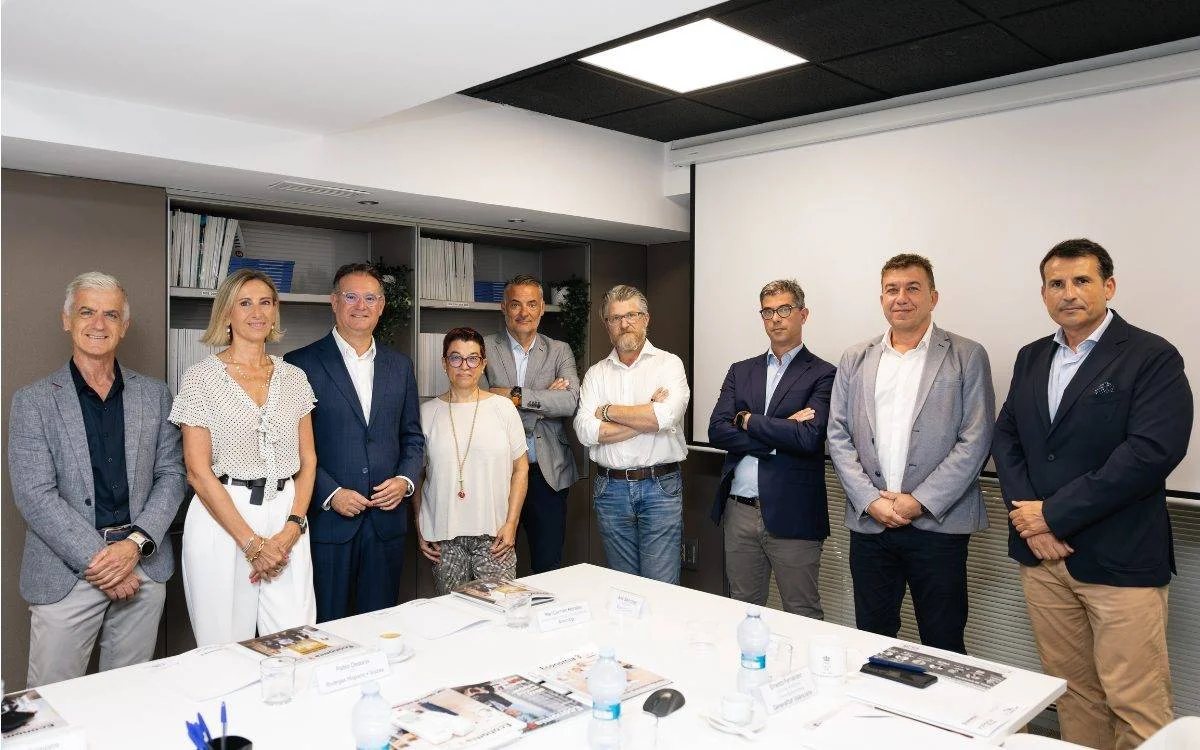
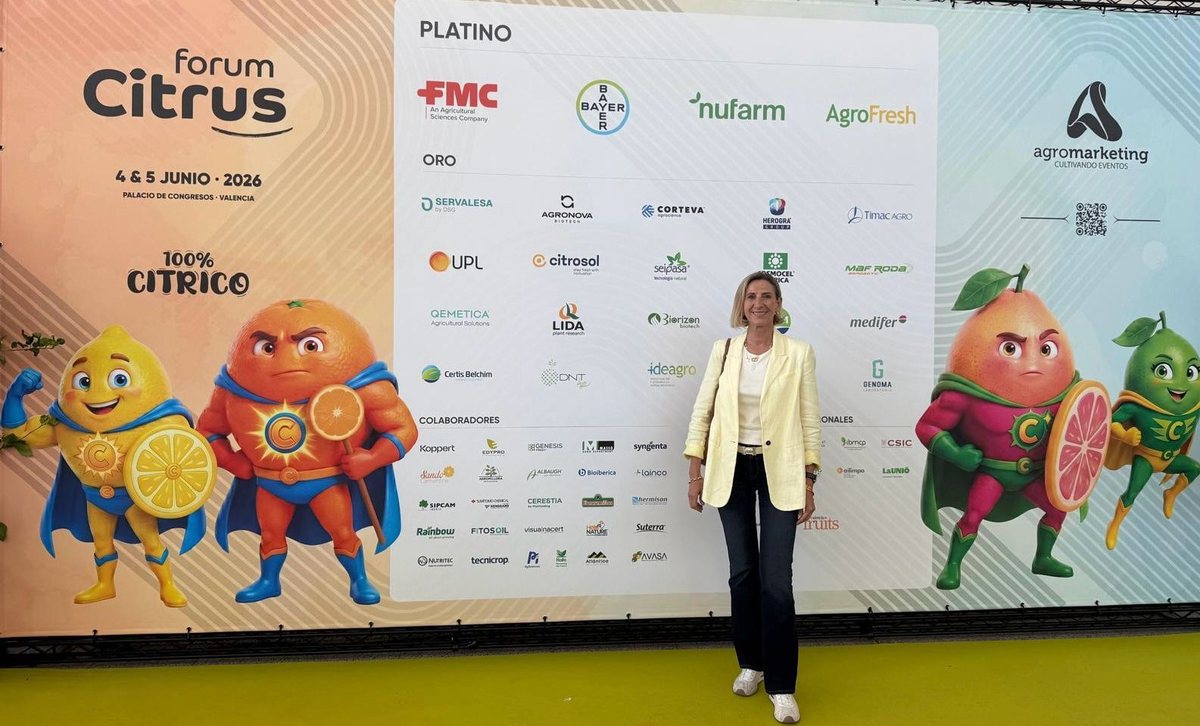
Precision citrus growing is no longer an aspiration for the future: it is the central conversation at any serious industry conference, and that was clear at Citrus Forum 2026, held on 4 and 5 June in Valencia and bringing together more than 1,650 professionals. Mercedes Iborra Broseta and María Luz Peñarrubia Martínez attended representing VisualNACert, an event partner alongside firms such as Koppert, Syngenta and Agromillora, with a clear message: citrus growing has always demanded adaptation, what is changing now is the speed at which you have to adapt.
Two days, six themes, one shared conclusion
The conference organised its content around six major blocks: nutrition, crop health, abiotic stress, post-harvest, physiology and market. They are distinct subjects, but they share a common thread — the same one running through any intensive crop today: the industry needs more precision, more data and more technical judgement behind every decision, not merely more technology in the abstract.
Nutrition and crop health: anticipate rather than react
On nutrition, the message repeated across the talks was clear: the point is not to apply more, it is to improve the real availability of nutrients, reading soil, water and plant as a whole rather than as isolated variables. On crop health, the challenge is anticipation: the moment a pest is detected, or the moment intervention is decided, weighs on the final result as heavily as the treatment chosen.
Abiotic stress and market: two sides of the same coin
Heat, drought, salinity and cold can no longer be treated as one-off episodes: they are increasingly present factors demanding better preparation of both the crop and the soil-plant system before they happen. And on the market side, the reflection was just as direct: producing more does not always mean earning more. The value lies in quality, traceability, regulatory compliance and the ability to answer increasingly demanding markets.
Post-harvest and physiology: where much of the margin is decided
The conference's other two blocks, post-harvest and physiology, complete the picture and tend to sit in the background next to the conversation about pests or irrigation, even though much of the final margin is settled there. In post-harvest, the quality with which fruit reaches the point of sale depends on decisions taken weeks earlier in the field — harvest timing, prior water management — and not on what happens once it has been picked. And in physiology, understanding how the tree responds to each growing condition is what allows a drop in quality or production to be anticipated rather than merely observed.
Technology is not what is missing. Integration is
The conclusion Citrus Forum 2026 left was not a shortage of solutions. Very often there is no shortage of technology, of knowledge or of tools: what is missing is integrating all of it into a clear strategy. An isolated analysis is not enough, a one-off application is not enough, and a good tool without a diagnosis or the right moment loses most of its value. The citrus growing to come will not only be more productive: it will have to be more precise, more connected, and better able to turn technical knowledge into profitable decisions.
The role of collaboration across the industry
Citrus Forum 2026 also made clear that no single player solves this alone. The presence of firms such as Koppert, specialising in biological pest control, Syngenta in crop protection, and Agromillora in plant material and nurseries, alongside VisualNACert on the agronomic data side, reflects an industry beginning to understand precision citrus growing as a chain of collaboration rather than a competition between technology suppliers. Each piece — biological control, plant genetics, field data — solves a different part of the same problem.
For a citrus farm, this has a practical consequence: the question is no longer which technology supplier to choose, it is how to make the different sources of information — crop protection, variety, climate — talk to each other and produce a coherent recommendation, rather than decisions taken separately and sometimes at odds with one another.
What is changing in the relationship between growers and technology suppliers
Another quiet change perceptible at Citrus Forum 2026 is how citrus growers now relate to their technology and input suppliers. It is no longer about buying a product or a service in isolation, it is about requiring that supplier to understand the farm's full context: which variety, which soil, what pest history, which destination market. That requirement forces the industry's companies, VisualNACert included, to build solutions that talk to each other instead of operating as sealed compartments.
It also changes VisualNACert's role in the ecosystem: we do not compete with those providing biological control or varietal protection, we complement that information with field data — moisture, temperature, pest pressure — that makes it possible to decide when to apply each solution with maximum effect and minimum wasted product.
In practice, that collaboration translates into fewer treatments applied blind and more decisions taken within exactly the right window — which in crop health is usually the difference between controlling a pest with a single well-timed intervention and needing several because action came too late to avoid it.
What a citrus grower takes away from this edition
If one thing is clear after two days of Citrus Forum, it is that precision citrus growing no longer depends on having more sensors or more reports: it depends on connecting nutrition, crop health, climate and market into a single reading rather than managing them separately. For a citrus farm or cooperative, the realistic first step is not to digitalise everything at once, it is to start with the variable penalising the margin most this season — whether irrigation, pests or post-harvest quality — and build from there.
Sources
- Citrus Forum — Official Citrus Forum 2026 website
- Valencia Fruits — Citrus Forum closes a record edition in Valencia (in Spanish)
Shall we talk about your case?
Tell us which crop you manage and we will show you how it applies on your farm, using data from your own plots.
Book a demo→